
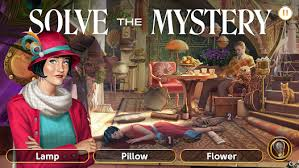
Entertainment has changed dramatically over the past few decades. Not long ago, gaming meant sitting beside a television with a controller in hand or loading a disc into a console. Today, entertainment can travel with us anywhere. A smartphone, tablet, or laptop can open the door to countless digital experiences within seconds. This transformation has made the kobra999 an important part of modern entertainment and everyday leisure.
The Early Days of Online Game Entertainment
The journey began with simple multiplayer experiences. Players connected through basic networks and enjoyed games that focused more on competition than impressive graphics. The technology was limited, but the excitement was real. Imagine waiting for a slow connection just to challenge a friend who lived miles away. It sounds ordinary now, but at the time, it felt revolutionary.
As internet access became faster and more common, gaming communities started to grow. Players were no longer limited to people sitting in the same room. They could meet opponents and teammates from different cities and countries. Suddenly, gaming became a social experience rather than a solitary hobby.
How Technology Changed the Online Game
Then came smartphones and affordable high-speed internet. This was a major turning point. Gaming no longer required expensive equipment or a dedicated room. A person waiting for a bus could enjoy a quick match. Someone relaxing after work could join friends for an evening session.
Better graphics also changed expectations. Developers began creating detailed worlds, realistic characters, and immersive soundscapes. Cloud technology, improved servers, and faster connections made these experiences smoother. As a result, players began expecting convenience as well as entertainment.
But technology is only part of the story. Why do people keep coming back? Often, it is the feeling of being involved. A well-designed game can create excitement, challenge, curiosity, and even friendship.
Social Connections Through Gaming
One of the biggest changes has been the rise of online communities. Players can communicate through voice chat, messages, and live events. A teenager in Pakistan might team up with someone in Canada, while another teammate joins from Japan. They may never meet face-to-face, yet they can develop genuine friendships through shared experiences.
Streaming has pushed this trend even further. People now watch skilled players, follow gaming personalities, and discuss new releases with huge communities. Gaming has become something people not only play but also watch, discuss, and celebrate together.
The Future of Digital Entertainment
Looking ahead, gaming is likely to become even more immersive. Virtual reality, augmented reality, artificial intelligence, and cloud-based platforms are opening new possibilities. Instead of simply controlling a character on a screen, players may increasingly feel as though they are inside the experience.
The most exciting part is that this evolution is still happening. Every new device and faster connection creates another opportunity for developers to experiment.
From simple multiplayer matches to massive digital worlds, the story of the online game reflects how quickly entertainment has evolved. What began as a small experiment in connected play has become a global form of recreation and social interaction.
The next time you start a game, take a moment to appreciate how far the journey has come—and perhaps discover where your next digital adventure leads.
